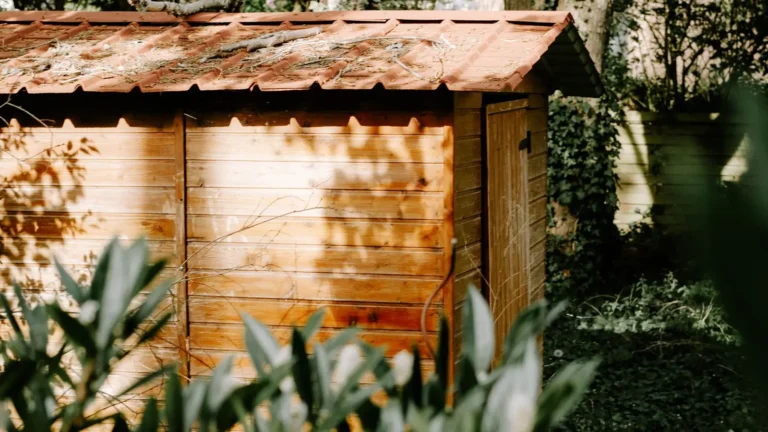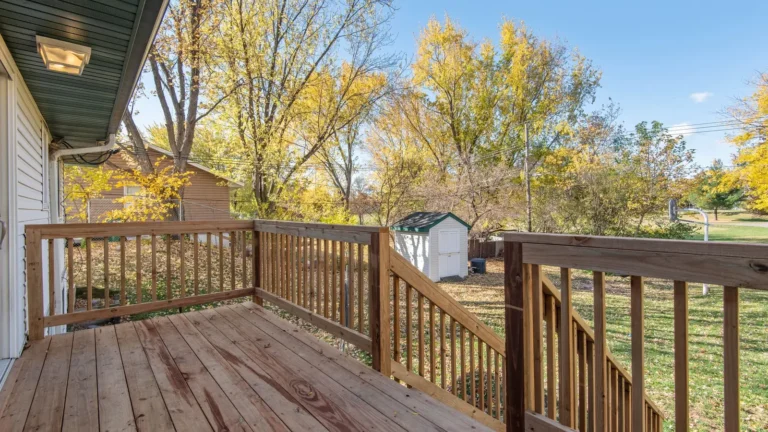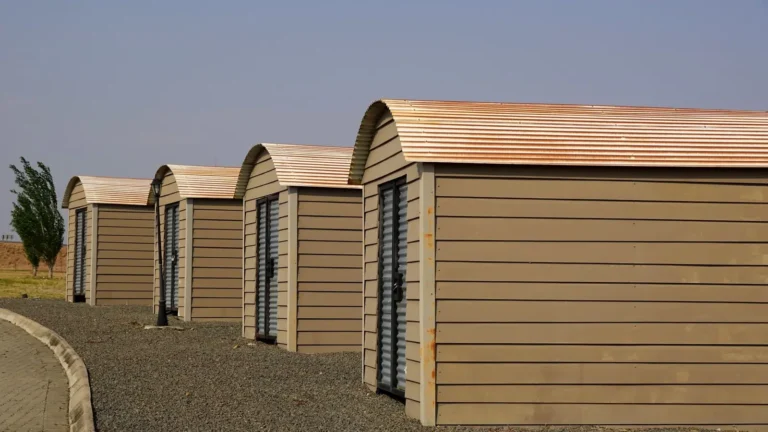

Whether you can build a shed without a permit depends mostly on its floor area, and the number varies from place to place. The model residential code sets the exemption at 200 sq ft, but many cities set it lower, and a few require a permit for every shed. Size isn’t the only factor either: height, utilities and use can all remove the exemption. Here is how to work out your limit.
Quick answer: Under the International Residential Code, a one-storey detached shed of up to 200 sq ft doesn’t need a building permit. Many cities lower that to 120 sq ft or less, and some require zoning approval for any shed. Even an exempt shed must meet setbacks, height limits and easement rules, and any electrical or plumbing work needs its own permit.
Common size thresholds for a shed without a permit
| Threshold | Where you see it |
|---|---|
| 200 sq ft | The IRC model code and jurisdictions that adopt it unchanged |
| 120 sq ft | A common local amendment and the limit in older model codes |
| 100 sq ft or less | Some cities, especially dense urban areas |
| Any size | Places that require a zoning or building permit for every shed |
Look for the “work exempt from permit” section of your local residential code, or the building department’s accessory structure handout. Our pillar shed permit guide covers the full set of rules.
How floor area is measured
- Usually from the outside of the walls: a shed advertised as 10 × 12 may measure slightly more outside.
- Covered porches and lean-tos may count as part of the floor area.
- Lofts that meet the definition of a storey make the shed two storeys, which removes the exemption.
- Two sheds placed side by side, or joined by a roof, may be treated as one building.
If you are close to the limit, check the code definitions and choose a size comfortably under it.
Shed sizes and where they fall
| Shed size | Area | Under 120? | Under 200? |
|---|---|---|---|
| 8 × 10 | 80 sq ft | Yes | Yes |
| 10 × 10 | 100 sq ft | Yes | Yes |
| 10 × 12 | 120 sq ft | At the limit | Yes |
| 10 × 14 | 140 sq ft | No | Yes |
| 12 × 16 | 192 sq ft | No | Yes |
| 12 × 20 | 240 sq ft | No | No |
Note “at the limit”: codes usually say “not exceeding”, so exactly 120 sq ft is exempt, but measurement differences can push it over.
Other things that remove the exemption
- Height: more than one storey, or over the accessory height limit.
- Electricity, plumbing or gas: trade permits are required regardless of size.
- Use: a shed used as an office, studio, gym or sleeping space is no longer just storage.
- Attachment: a shed attached to the house is an addition.
- Location: flood zones, historic districts and some coastal areas require review of any structure.
- Foundation: some codes require a permit for any permanent foundation.
Rules that still apply to a shed without a permit
An exempt shed still has to meet the zoning code. That includes:
- staying out of the front yard;
- side and rear setbacks for accessory structures; see accessory structure setbacks;
- height limits;
- lot coverage, since shed footprints usually count;
- not being placed in an easement; see sheds on easements;
- HOA rules.
Many cities require a free or low-cost zoning permit for exempt sheds precisely so they can check these. A simple shed site plan usually satisfies it.
Why the threshold matters for planning
The difference between 120 and 200 sq ft is a lot of storage. If your city’s threshold is 120 sq ft, a 10 × 12 shed avoids a building permit, while a 12 × 16 needs one, with foundation and framing details. Some owners choose two small sheds instead of one large one, but many codes limit the number of accessory buildings or count them together for coverage. Decide based on how you’ll use it, not only on avoiding a permit; a permitted larger shed is usually straightforward.
What happens if you get it wrong
A shed built without a required permit, or in the wrong place, can lead to a notice to obtain a permit, move the shed or remove it. Sheds in easements may be removed by the utility. When selling, buyers and lenders sometimes ask about outbuildings. See building without a permit for how to legalise one.
Playhouses, greenhouses and gazebos
The same exemption usually covers other small one-storey detached structures, such as children’s playhouses, small greenhouses and garden sheds. Open structures such as gazebos and pergolas are treated differently in different codes; some count a roofed gazebo toward the accessory size limit, while an open pergola may not count at all. Greenhouses with heating or electricity need trade permits. Treat each like a shed: check the size limit, then the setbacks.
How to confirm your limit
- Identify whether the city or county handles permits for your address.
- Search the code for “accessory structure”, “exempt from permit” or “shed”.
- Read the building department’s handout if there is one.
- Call or email with the shed size, height and location.
- Check your HOA rules.
Frequently asked questions
Can I build a 10 × 12 shed without a permit?
Often yes: 120 sq ft is within both the 120 and 200 sq ft thresholds. Zoning rules still apply.
Can I build a 12 × 16 shed without a permit?
Only where the threshold is 200 sq ft. Where it is 120 sq ft, you need a permit.
Does a shed loft count?
If it meets the code’s definition of a storey, it makes the shed two storeys and removes the exemption.
Do I need a permit for a shed on blocks?
The foundation type usually doesn’t matter; size, use and utilities do.
Does a shed with a porch count as larger?
Often yes. A covered porch or lean-to may be included in the floor area, which can push a shed over the exemption.
Can two small sheds avoid a permit?
Each may be exempt, but codes may limit the number of accessory buildings and count them together for coverage.