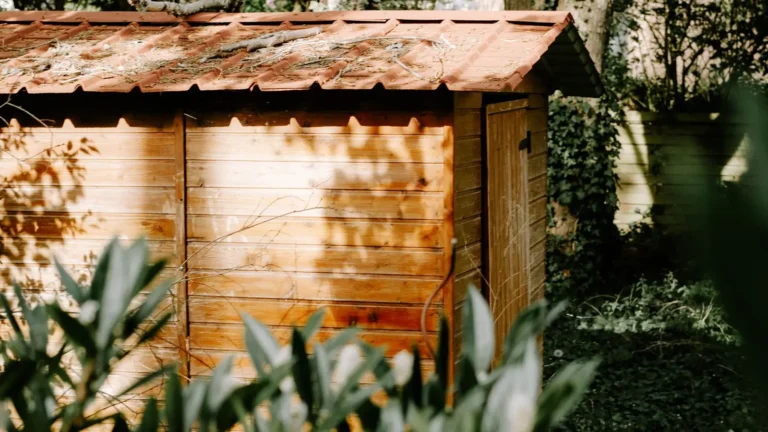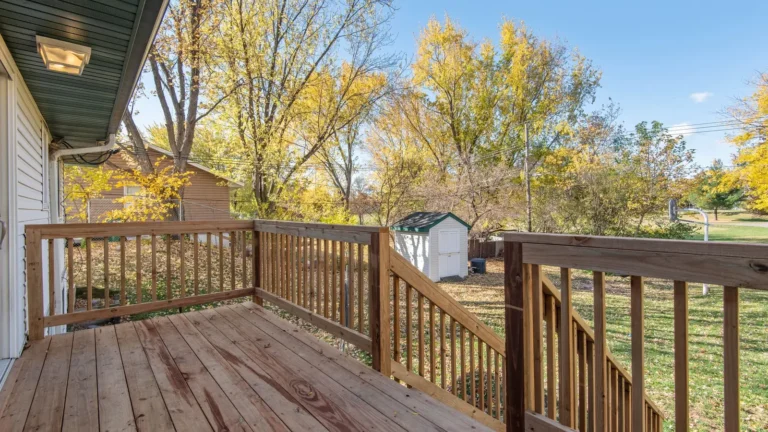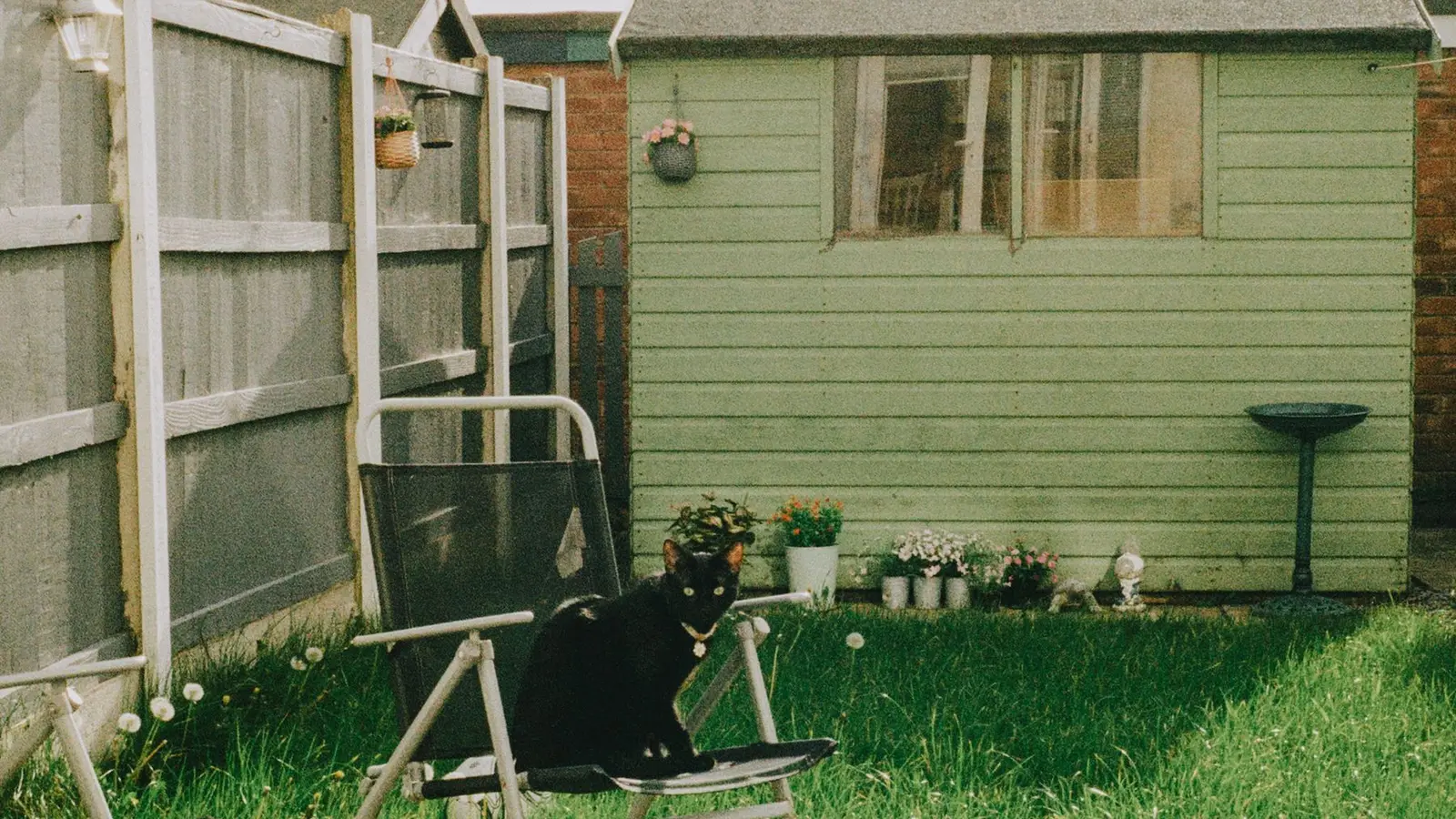

Putting a shed on an easement is one of the most common placement mistakes homeowners make, because easements often run along the rear and side lot lines, exactly where a shed seems to fit best. In most cases, a permanent structure isn’t allowed in a utility or drainage easement, and if one is built there, the utility or the city can require it to be removed, at the owner’s expense. Here is how to check and what your options are.
Quick answer: Usually you can’t put a shed on an easement. Utility and drainage easements generally prohibit permanent structures because they block access and water flow, and the easement holder can remove obstructions. Some easements allow small movable sheds with written permission. Check your plat and title documents, and place the shed outside the easement where possible.
What an easement is
An easement is a right for someone else to use part of your property for a specific purpose. You still own the land, but the easement holder, such as a power company, water utility, city or neighbour, has rights over it. Common types are utility easements for lines and pipes, drainage easements for swales and stormwater, access easements for driveways, and sidewalk or right-of-way easements. Our guide What is an easement? explains each.
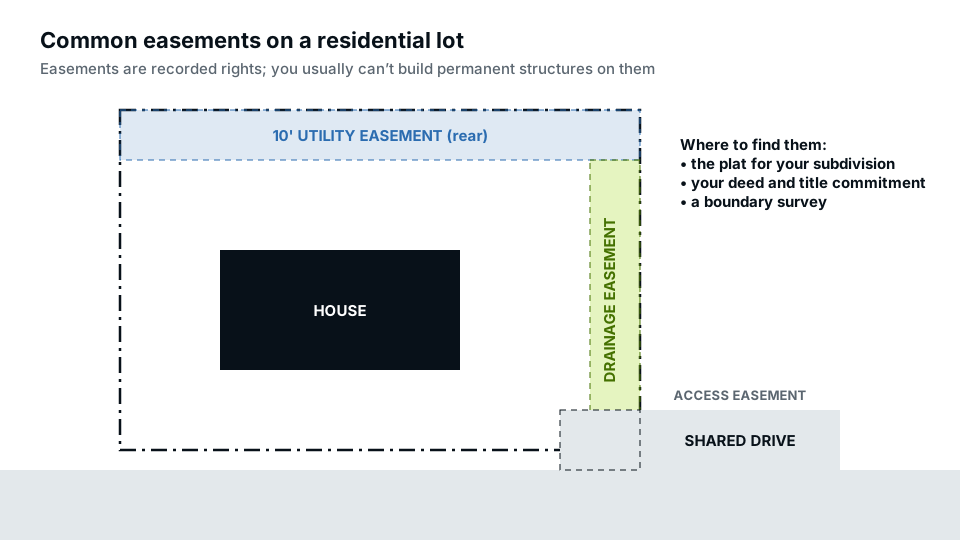
Why a shed on an easement isn’t usually allowed
- Access: utilities need to reach lines and equipment for repairs, sometimes with heavy machinery.
- Underground lines: footings, anchors and slabs can damage buried cables and pipes.
- Drainage: structures block swales and change how water flows, which can flood neighbouring lots.
- Legal terms: many recorded easements expressly prohibit buildings and give the holder the right to remove them.
Zoning codes and plat notes often repeat the prohibition, so a shed permit application showing a shed inside an easement is usually rejected. That is one reason our pillar shed permit guide stresses checking easements first.
How to find easements on your lot
- Recorded plat: subdivision plats often show utility and drainage easements along lot lines, with widths.
- Title commitment or policy: lists recorded easements affecting the property.
- Survey: a boundary survey usually shows easements of record.
- Deed and recorded documents: separate easement agreements may be recorded.
- Utility markers: pedestals, transformers and manholes are clues, but not a full picture.
- Planning office: may confirm platted easements.
A typical platted utility easement might be 5 to 10 feet wide along the rear line, sometimes split between two neighbouring lots.
Easement types and what they usually allow
| Easement | Shed usually allowed? | Notes |
|---|---|---|
| Public utility | No permanent structures | Some utilities permit small movable sheds by written consent |
| Drainage | No | Structures and fences that block flow are prohibited |
| Access or driveway | No | Must remain open for passage |
| Sidewalk or right-of-way | No | Public use |
| Conservation | Usually no | Terms often prohibit any building |
Movable sheds and encroachment permission
Some utilities and cities allow small sheds on skids, without foundations, inside a utility easement if the owner signs an encroachment agreement or consent. The agreement typically says the owner must move the shed at their cost if access is needed and the utility isn’t responsible for damage. This varies by utility and is rarely available for drainage easements. Get any permission in writing, and check that the zoning office will accept it.
If your shed is already on an easement
- Confirm the easement location and width from the plat or survey.
- Check what the easement document allows.
- Contact the easement holder to ask whether an encroachment agreement is possible.
- If not, plan to move the shed outside the easement.
- Update your records and any permit with the new location.
Problems often come to light when selling, because a buyer’s survey shows the shed in the easement. Resolving it beforehand is simpler.
Where to put the shed instead
Draw the easement on your site plan, then add the accessory setbacks. The shed must meet both: outside the easement and outside the setback. If the easement is wider than the setback, the easement controls. Many owners find the best spot is just inside the easement line along the rear, or along a side yard without an easement. Our shed site plans show easements and setbacks together so the allowed area is obvious. For setback rules, see accessory structure setbacks.
Fences, decks and other items on easements
Similar rules apply to other improvements. Fences are often allowed in utility easements but can be removed for access; drainage easements may prohibit them. Decks, pools and patios are generally not allowed. Landscaping is usually allowed but may be destroyed during utility work. See our fence permit guide for fence rules.
Buying a home with a shed in an easement
If you are buying a property and the survey shows a shed, garage or fence inside an easement, ask the seller to resolve it before closing or get a written encroachment agreement from the easement holder. Title insurance policies often exclude losses from easement encroachments shown on a survey, so it is the buyer who inherits the risk after closing. A short conversation with the utility can clarify whether the structure is acceptable.
Call before you dig
Even outside an easement, underground lines can cross your yard. Call 811 a few days before digging footings or driving anchors, so utilities can mark their lines. It is free and required in most states.
Frequently asked questions
Can I put a shed on a utility easement?
Usually not as a permanent structure. Some utilities allow small movable sheds with written consent.
What happens if my shed is on an easement?
The easement holder may require you to move it, or remove it during work, often at your cost.
How do I know if there is an easement on my property?
Check the recorded plat, your title documents and any survey.
Can I fence an easement?
Often in a utility easement, but not usually in a drainage easement. Fences can be removed for access.
Does a shed on skids count as a structure?
For most easement terms, yes. Movable sheds may get permission where permanent ones wouldn’t.